- HOME
- Why Is Water Quality Testing Necessary?
Why Water Quality Testing Matters
Protecting Health and Peace of MindWater
Water is indispensable to daily life. Japan is one of the few countries in the world where tap water can
be consumed directly. However, is it truly safe to continue using tap water or well water without regular
testing?
Even when water appears clear and colorless, problems in water supply equipment can lead to undetected
deterioration in water quality or bacterial growth. Contaminated drinking water may pose health risks,
including potential infectious diseases. In recent years, attention has also been drawn to the fact that
chlorine used in water disinfection can produce trihalomethanes, which are known carcinogens.
Buildings such as office towers, condominiums, and mixed-use facilities are often equipped with water
storage tanks. Facility managers must remain vigilant about water safety, ensuring proper equipment
maintenance and providing safe water to all users. However, it is often the building’s occupants who first
notice irregularities — unusual odors, cloudiness, strange tastes, or discoloration.
Whether you are a building occupant or a facility manager, it is important to pay attention to the water
you use every day and to conduct regular water quality testing — before problems arise — for the sake of
health and safety.
Direct Supply System
When water is supplied through a direct connection to the municipal water main, water quality is managed at the source, and routine testing is generally not required. However, the piping between the water meter and the faucet, as well as any water purifiers installed by the user, must be maintained by the user. Deterioration of these components can affect water quality. It is important to remain attentive to any changes in taste, odor, color, or turbidity. For customers with concerns about their water, we recommend the 16-item water quality test.
Small Water Storage Tanks (Effective Capacity 5 m³ or Less)
If you own or manage a condominium, apartment building, or house with a water storage tank of 5 m³ or less,
there is no legal obligation to conduct water quality testing. However, unlike sealed water pipes, the
interior of a storage tank is exposed to air and can gradually become contaminated, leading to water quality
deterioration. We therefore recommend regular tank cleaning and an 11-item water quality test to confirm
that no abnormalities are present.
For tanks with an effective capacity exceeding 5 m³ but not exceeding 10 m³, the facility is classified as a
“small-scale water supply facility.” Maintenance is recommended under municipal and local government
ordinances. Depending on the type of facility, cleaning and 11-item testing may be legally required. Even
where regulations do not apply, appropriate maintenance including cleaning and water quality testing is
expected.
Large Water Storage Tanks (Effective Capacity Exceeding 10 m³)
When a water storage tank with an effective capacity exceeding 10 m³ is installed, the owner or manager is legally required to maintain both the tank equipment and water quality. For details, please refer to the “Water Quality Testing for Building & Residential Properties” page.
Well Water Users
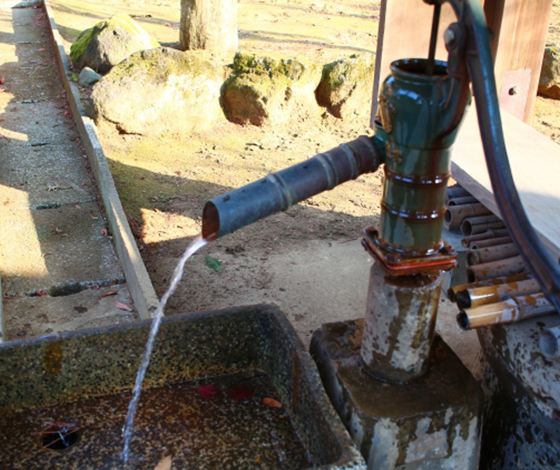
If you use well water at home, you are responsible for conducting water quality checks yourself.
Failure to perform regular maintenance on pumps and supply pipes, or the absence of sterilization
equipment, increases the risk of contamination by bacteria such as general bacteria and E. coli.
Note — Be aware of changes in the surrounding environment: When using well water, quality may
deteriorate due to heavy rainfall affecting the water source or underground aquifer, seasonal
variations, or other environmental changes. To avoid unknowingly using contaminated well water, we
recommend regular water quality testing.
Opening a Restaurant
When opening a restaurant, you may be required by the local public health center to submit an 11-item
“Water Quality Test Report.” Although this report is typically submitted only once prior to opening,
we recommend periodic testing thereafter to ensure that safe and hygienic food is served to your
customers.
Depending on the scale of your kitchen, wastewater quality management may also be legally required.
Additionally, we recommend conducting regular basic hygiene inspections to verify the sanitary
condition of your food preparation area.

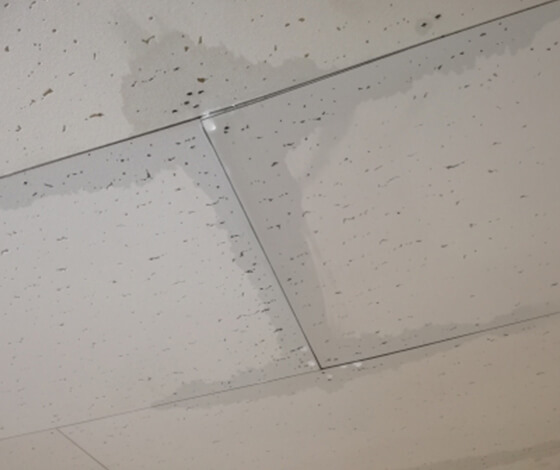
Water Leak Investigation
When a water leak occurs unexpectedly, identifying the cause is urgent — both to stop the leak and to
address the unknown risks of the water itself. For building and condominium managers, unresolved leaks
can also lead to disputes with tenants and residents.
Through water quality testing, we can analyze the components present in the leaked water and estimate
its type — rainwater, groundwater, tap water, domestic wastewater, or sewage. Identifying the water type
is a critical first step in determining the cause of the leak. WaterQualityAnalysis.com has extensive
experience in leak water analysis. Please do not hesitate to contact us.
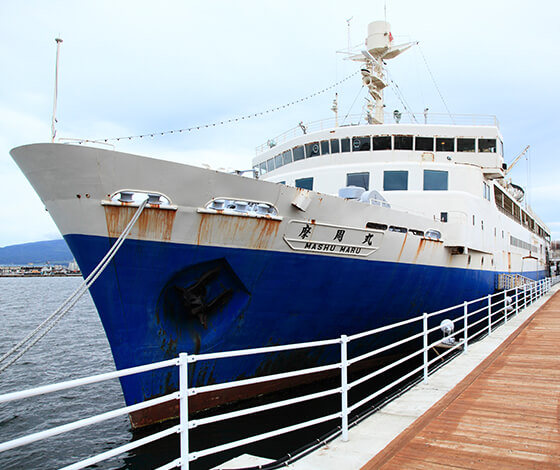
Vessel (Ship) Management
For Drinking Water Tanks
In some cases, drinking water stored in a vessel’s onboard water tank must be tested at least once a year. Improperly managed water can become a source of infectious disease transmission aboard the ship, making regular testing of tank water essential. The standard test is the 11-item water quality test, but customized testing tailored to your specific requirements is also available. WaterQualityAnalysis.com supports safe and comfortable living conditions at sea in accordance with the Ship Sanitation Guide.
For Onboard Treated Wastewater
On large vessels such as cruise ships, domestic sewage and galley wastewater are treated by onboard treatment systems before being discharged. Because discharge standards vary depending on the port of call and the waters in which a vessel operates, regular water quality testing tailored to the vessel's operating route is essential to verify that treatment performance is being properly maintained.
At Water Quality Analysis.com, we offer customized testing programs based on your operational requirements, helping to support environmentally responsible vessel operations.
Typical Analysis Parameters
BOD (Biochemical Oxygen Demand), SS (Suspended Solids), Thermotolerant (Fecal) Coliform Count, pH, Combined Residual Chlorine, Water Temperature (measured on-site)
*Additional analysis parameters can be accommodated upon request.
*We do not provide water quality testing services for ballast water.