- HOME
- Environmental Analysis and Other Testing
Environmental Analysis —
Supporting Optimal Facility OperationsEnvironment
In addition to water quality testing, WaterQualityAnalysis.com provides environmental testing and analysis covering water, air, and soil. Facility and equipment managers are required to maintain optimal operational environments at all times. Depending on the type of equipment, various analyses and tests may be necessary, including stack emission measurement, soil contamination assessment, and radioactivity measurement.

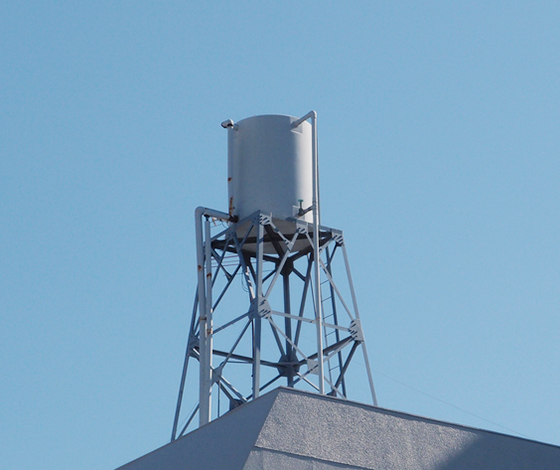
Building Water Tank System Inspection
This inspection verifies that the area surrounding the water storage tank and the tank itself are clean
and properly maintained, and confirms that no abnormalities exist in the water quality within the tank.
Water storage tanks with an effective capacity exceeding 10 m³ are required under the Water Supply Act
to
be properly managed, including tank cleaning, water quality verification, and on-site inspection by an
authorized testing institution.
Although small-scale water storage systems with an effective capacity of less than 10 m³ are not subject
to Water Supply Act regulations, local ordinances may stipulate guidance in some jurisdictions. We
recommend implementing the same level of management as for Building Water Tank System.
Foreign Matter Testing
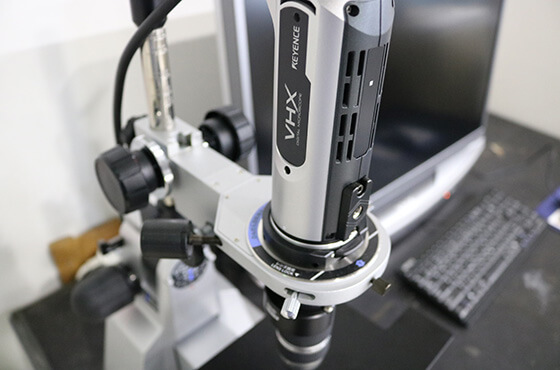
Foreign matter may occasionally be discharged from water faucets along with the water. For water storage tank cleaning companies and building management companies, this can serve as an indicator of equipment deterioration. Foreign matter testing enables detailed analysis of any collected material. We offer four types of testing depending on the objective:
- Visual Inspection Test:
Using a high-performance digital microscope, the external appearance of the foreign matter is observed and its identity is estimated based on appearance. The digital microscope is capable of examining foreign matter with uneven surfaces and materials that do not transmit light.
- Combustion Test:
The foreign matter is burned at high temperatures to determine the ratio of organic to inorganic components. Observation of the resulting ash further improves the accuracy of the identification.
- Quantitative Analysis Test:
The foreign matter is dissolved in acid to quantify concentrations of metals, silica, and hexane-extractable substances. When combined with the combustion test, this method produces more reliable identification.
- Compositional Analysis Test:
Component information of the foreign matter is obtained. By providing a reference sample (a material with known manufacturer and composition), it is possible to compare the composition against substances registered in a database, adding a similarity assessment to the identification.
Stack Emission Measurement
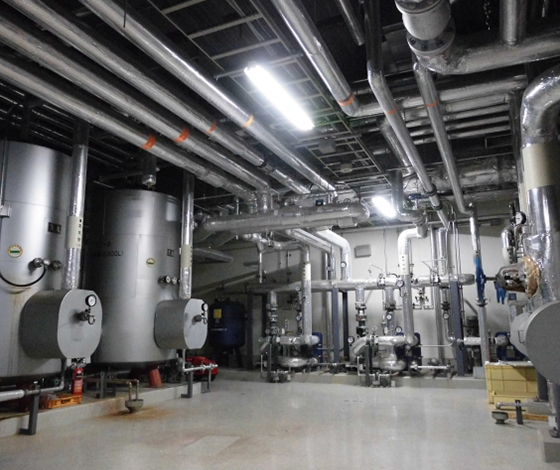
This testing measures the concentrations of air pollutants — including nitrogen oxides (NOx), sulfur
oxides (SOx), and particulate matter (dust) — emitted from boilers, absorption chillers/heaters, and
generators.
Facilities equipped with boilers and other equipment that may produce air pollutants are subject to
emission regulations under the Air Pollution Control Act. The necessity, scope, and frequency of testing
vary depending on the size and type of equipment, so careful assessment on a case-by-case basis is
required.
Indoor Air Quality Measurement
This testing evaluates the cleanliness of air circulated by HVAC systems within buildings. Designated
Buildings are required to conduct indoor air quality measurement under the Building Sanitation Act.
Schools (including kindergartens and elementary schools) are required to conduct testing in accordance
with the School Environmental Hygiene Standards.
In addition, for newly constructed, renovated, or refurbished buildings and schools, we conduct testing
to measure substances associated with Sick Building Syndrome — such as those found in adhesives used in
building materials and wallpaper — as part of countermeasures under the Building Standards Act.

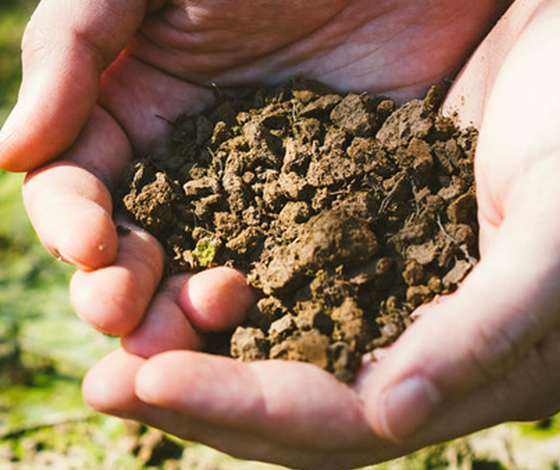
Soil Analysis
Facilities such as inns, automated car washes, and livestock farming operations are classified as
Designated Facilities (facilities that discharge hazardous substances or wastewater that may cause harm
to the living environment). Among these, facilities that discharge specific volatile organic compounds,
heavy metals, or pesticides are further classified as “Specified Facilities that Use Harmful
Substances,”
and soil investigation is legally required when such facilities are decommissioned.
When utilizing former factory sites, it is necessary to confirm whether the previously located factory
was classified as a Specified Facilities that Use Harmful Substances. If it was, a soil contamination
survey must be conducted.
For soil investigations, leaching tests and content tests conducted in accordance with the Soil
Contamination Countermeasures Act are effective. We will recommend the appropriate testing methods and
items based on the details and objectives of your inquiry.
Biodegradability Testing
This test evaluates the extent to which substances contained in detergents, chemical products, and other materials are degraded by microorganisms in the natural environment. Products with high biodegradability are generally more readily broken down in the environment, making biodegradability an important indicator in product development and in the assessment of environmentally friendly products aimed at reducing environmental impact. At WaterQualityAnalysis.com, we conduct biodegradability testing using the Closed Bottle Method. This method measures dissolved oxygen consumption due to microbial respiration in a test solution containing the test substance. The degree of biodegradation is then calculated based on the ratio of oxygen consumption to the Theoretical Oxygen Demand (ThOD). Because the test is conducted under low test-substance concentrations and with a limited microbial inoculum, the Closed Bottle Method is widely used for assessing ready biodegradability.

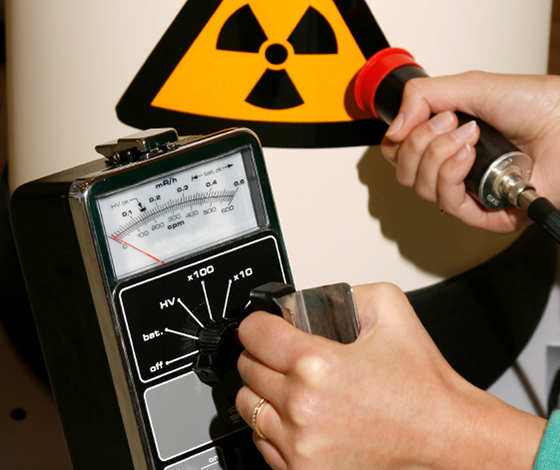
Radioactivity Measurement
In some cases, measurement of radiation levels from radioactive substances may be required in order to safely use or dispose of water, food, soil, sludge, and other materials. Screening measurement is a method that can determine with high accuracy whether the radiation level of a sample is below the standard value (e.g., 100 Bq/kg), and offers a relatively cost-effective and rapid assessment.