- HOME
- Water Quality Testing for Public Facilities
Protecting Public Health — From Children to the Elderly —
Through Water Quality TestingPublic
For facilities that use large volumes of water, such as swimming pools and public baths, water quality
testing is one of the most critical aspects of facility management. Facilities including fitness clubs,
special nursing homes for the elderly, and community centers are subject to specific hygiene standards
and local ordinances governing maintenance practices. Testing in accordance with these requirements is
mandatory.
Complaints from facility users or administrative guidance from authorities can lead to serious
consequences, including suspension of operations and loss of public trust. Regular testing is therefore
essential for risk management.
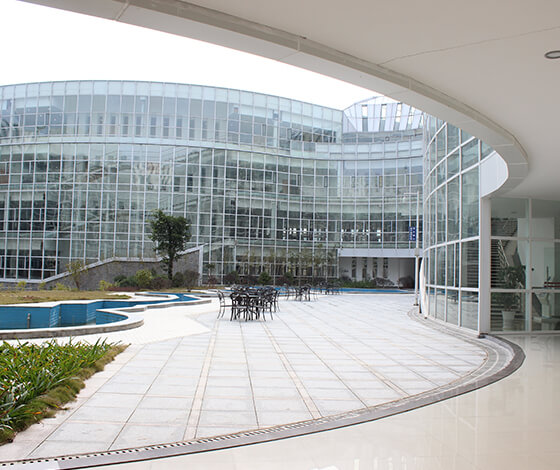
Water Quality Testing by Facility Type
The water quality testing required for facilities such as swimming pools and public baths can be broadly divided into three categories. Below, we explain the testing requirements for each facility type.
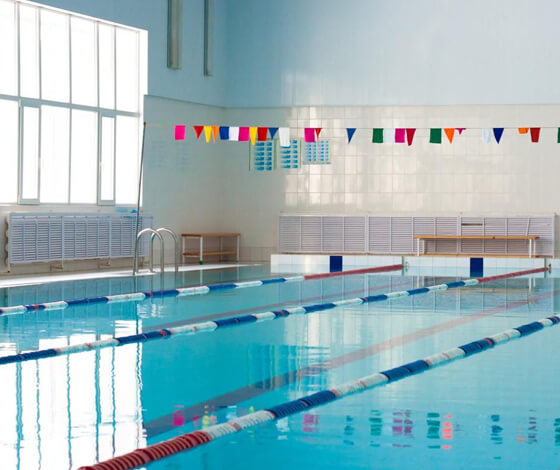
Swimming Pool Water Testing
Swimming pools are used by a wide range of people, from children to the elderly, and water
quality testing in compliance with applicable laws and regulations is required to ensure a comfortable
and hygienic environment for all users. While organic matter levels tend to be higher in children’s
pools, sunscreen and hair oils also contribute to the deterioration of pool water quality.
Chlorine-based disinfectants are used in pool water to prevent bacterial growth, which raises concerns
about the formation of disinfection byproducts such as trihalomethanes. In heated pools and jacuzzis,
contamination by Legionella bacteria is also a concern, and additional testing may be required. During
peak usage periods such as summer holidays, the load on filtration systems increases, and depending on
maintenance conditions, filtration capacity may become insufficient. Regular water quality testing helps
ensure that facility users can use the pool with confidence.
Pool facilities are generally classified into two categories: “general recreational use” and “school
use.” Each is subject to different laws and standards, so care must be taken when arranging testing.
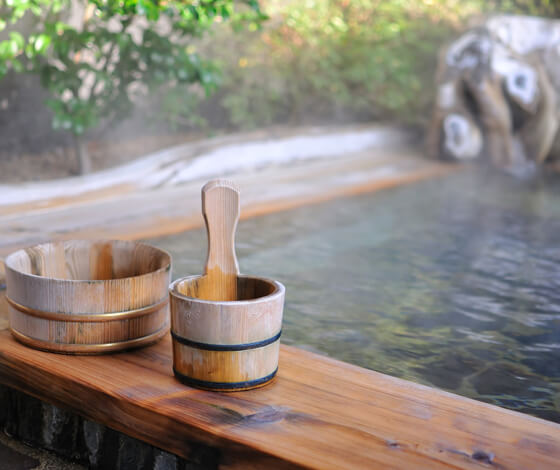
Bathwater Testing
Bathtubs are used in a wide variety of facilities, including public bathhouses (sentō), senior welfare
centers, health spas, and fitness clubs. As with swimming pools, these facilities are used by many
people and are therefore subject to legally required water quality testing.
The specific test items and testing frequency vary depending on the facility’s usage conditions and
equipment. We will recommend the most suitable testing plan after discussing the details of your
facility.
| Test Items | Frequency |
|---|---|
| Bathwater 4-item test | 1 to 4 times per year or more (*) |
| Source hot water 6-item test (source water, rinse hot water, rinse water) |
Once per year or more |
(*) Bathwater in tubs without a filtration system or with complete daily water
replacement: at least once per year. Bathwater in continuously used tubs: at least twice per year.
Continuously used tubs without chlorine disinfection: at least four times per year. Note
that
requirements
may vary by region; please confirm with the relevant public health center.
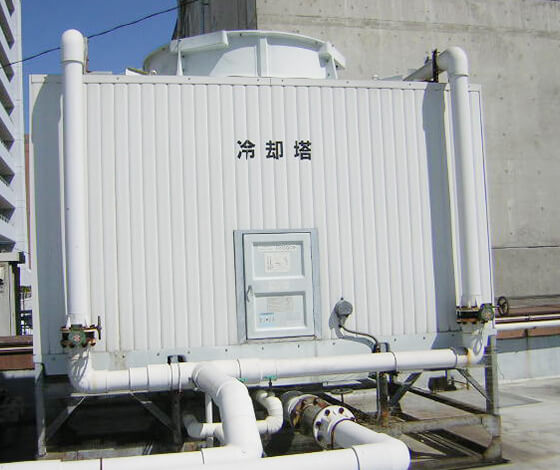
Cooling Water Testing
In buildings equipped with cooling towers for air conditioning or hot water supply, evaporation within
the cooling tower causes dissolved substances to become concentrated. This can lead to equipment
problems such as scale formation and corrosion. Proper water quality management of cooling water and
chilled/hot water is essential to prevent equipment failures.
We conduct water quality testing in accordance with the Refrigeration and Air Conditioning Equipment
Water Quality Guidelines (JRA-GL-02-1994 or equivalent standards). By performing regular testing, it
is possible to optimize chemical treatment dosages and maintain appropriate water management.
In addition, open-type cooling systems are particularly susceptible to the growth of Legionella
bacteria, other microorganisms, and algae. If cooling water is dispersed into the atmosphere as an
aerosol, there is a risk of Legionnaires’ disease. For this reason, testing for corrosion and scale
factors in accordance with the above guidelines, as well as bacteriological analysis, is required.